
Disease and symptom monitoring
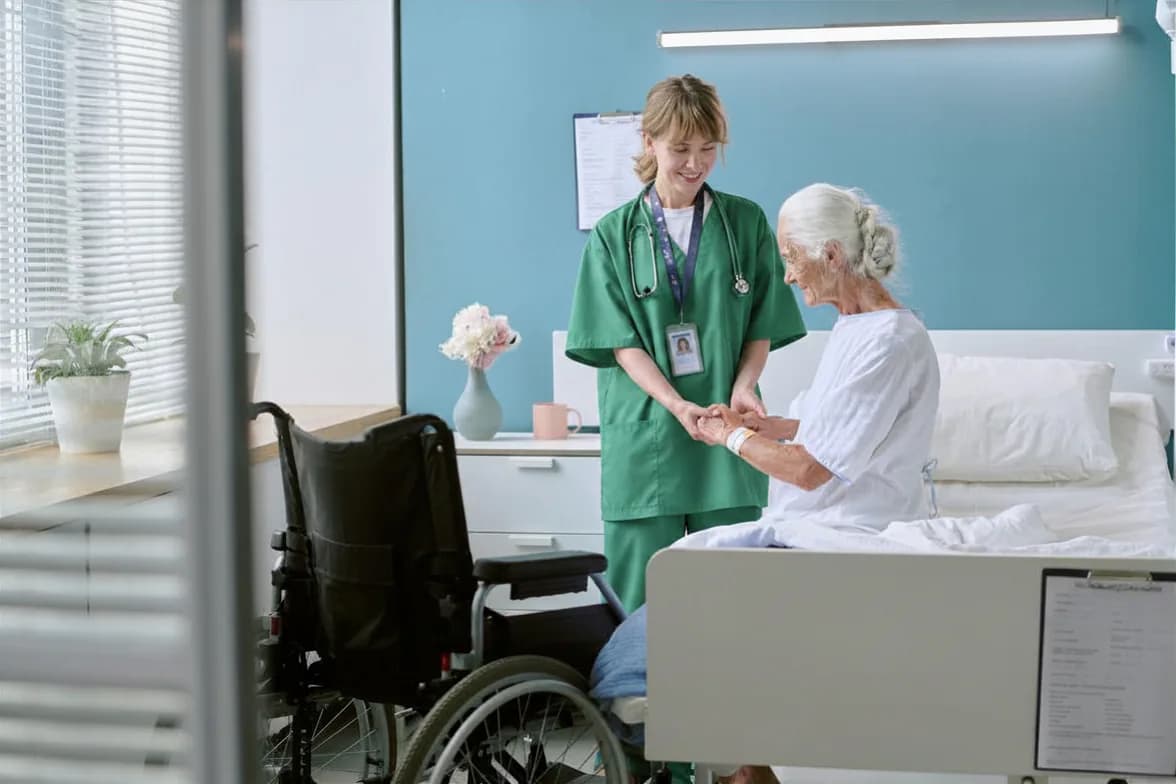
Understanding Disease and symptom monitoring
Disease and symptom monitoring is a proactive approach to managing chronic and acute conditions at home. Skilled nurses track vital signs, symptom patterns, and functional changes to detect early warning signs before they escalate into emergencies or hospital readmissions.
Consistent monitoring allows the care team to identify trends — such as gradually rising blood pressure, increasing shortness of breath, or subtle weight changes — that might go unnoticed without professional assessment. This early detection enables timely adjustments to the care plan and communication with the physician.
What Gets Monitored
Nurses assess vital signs including blood pressure, heart rate, oxygen saturation, temperature, and respiratory rate. They also evaluate symptoms specific to your condition — such as edema for heart failure patients, blood sugar levels for diabetics, or pain scales for post-surgical recovery.
How Monitoring Protects Your Health
Regular assessments create a clinical baseline that makes it easier to spot deviations. When nurses identify concerning trends, they communicate directly with your physician to adjust medications, modify activity levels, or arrange additional testing before problems become urgent.
When to Contact Your Care Team
Report any sudden changes in symptoms — worsening pain, new swelling, difficulty breathing, dizziness, or confusion. Keep a daily log of your weight, blood pressure, or blood sugar if instructed. If you experience chest pain, sudden severe headache, difficulty speaking, or loss of consciousness, call 911 immediately.
This educational resource is provided by CarePine Home Health for informational purposes. Always follow the individualized care plan developed by your healthcare team. If you have questions or concerns about your condition, contact your care team or call CarePine at 888.507.2997.
Medical Disclaimer: This information is intended for educational purposes only and does not replace professional medical advice. Always consult your physician or home health care team for personalized medical guidance.