Home Health Services
Skilled Care at Home from CarePine
CarePine Home Health delivers skilled medical services in the comfort of home, helping patients heal safely, regain strength, and reduce avoidable hospital visits.
What Is Home Health?
Home Health is physician-directed, clinical care provided in the home by licensed medical professionals. It is designed for patients who are recovering from surgery, illness, injury, or managing a chronic condition and need skilled care on an intermittent basis.
Unlike non-medical personal care, home health focuses on skilled nursing and therapy services that support recovery, symptom management, safety, and functional improvement.
At CarePine, our mission is simple: provide high-quality home health services that help patients heal where they feel most comfortable — at home.
Our Home Health Services
Our licensed clinicians work closely with physicians to provide personalized, goal-driven care for patients who need intermittent skilled services at home.
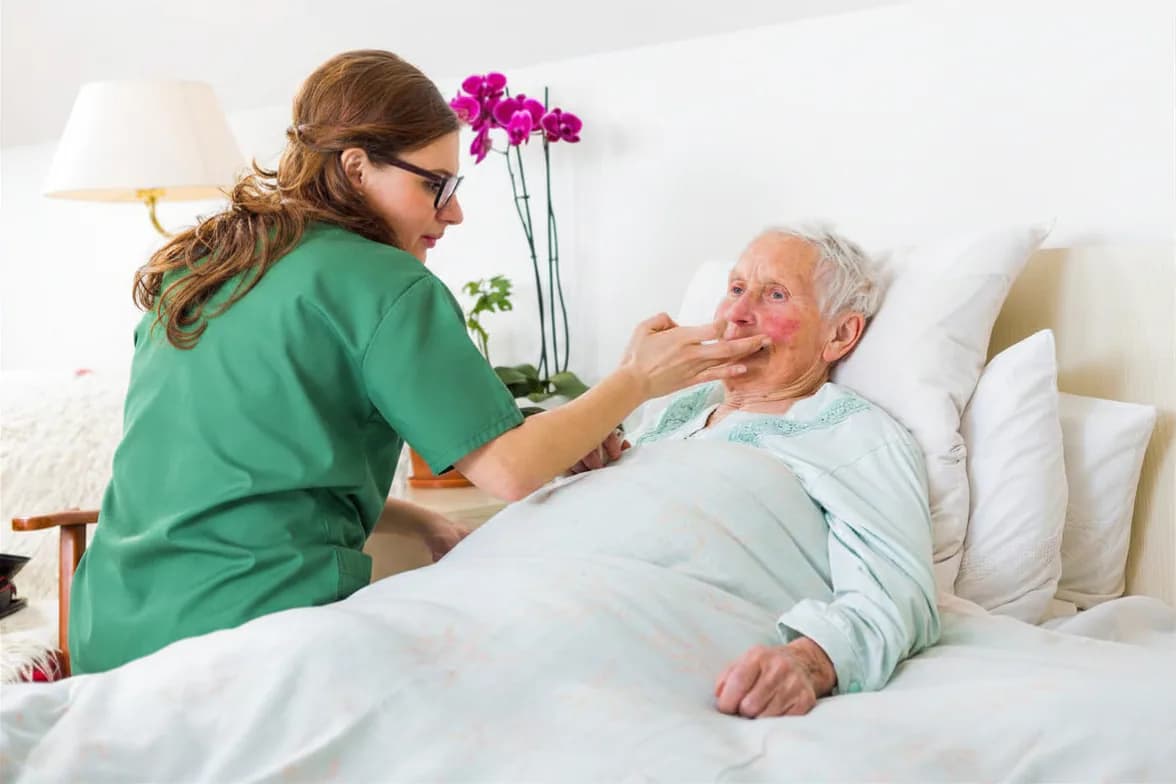
Registered nurses deliver physician-directed skilled nursing in the home to monitor clinical status, perform treatments, and coordinate care with the broader care team.
Medication management
Nurses review medications for safety and effectiveness, teach proper administration, and help prevent interactions or missed doses during recovery.
Learn MoreWound care
Clinicians assess wounds, apply ordered dressings, monitor healing, and educate patients and caregivers on infection prevention and skin protection.
Learn MoreDisease and symptom monitoring
Vital signs and symptom trends are tracked to catch early warning signs and support timely communication with the physician.
Learn MoreCardiac and respiratory assessment
Focused assessments support patients with heart or lung conditions by evaluating breathing effort, edema, oxygen needs, and functional tolerance.
Learn MoreDiabetes education
Education covers blood glucose monitoring, foot care, nutrition basics, and recognizing hypo- or hyperglycemia symptoms at home.
Learn MorePain management support
Nursing support includes pain assessment, non-pharmacologic strategies, and coordination with the physician for safe, effective pain control.
Learn MoreCatheter and ostomy care
Care includes maintenance per protocol, skin protection, hygiene teaching, and early identification of complications such as leakage or irritation.
Learn MoreIV therapy
When ordered, clinicians provide skilled administration and monitoring aligned with physician protocols and agency policies.
Learn MorePost-surgical care
After surgery, skilled nursing helps monitor incisions, manage drains when applicable, and reinforce activity and mobility guidance from the surgical team.
Learn MorePatient and caregiver education
Teaching is tailored to the home setting so patients and caregivers understand warning signs, equipment basics, and when to seek medical attention.
Learn MoreSkilled nursing visits are ordered based on medical need and may change as recovery progresses or conditions evolve.
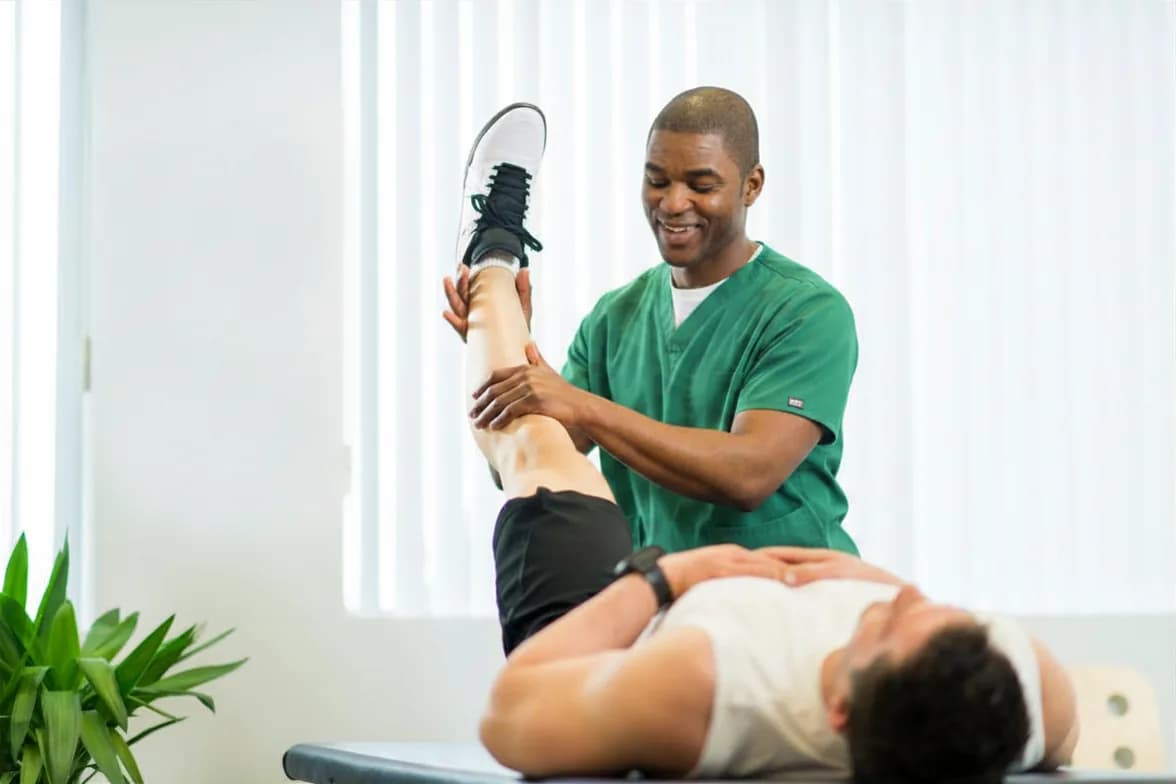
Physical therapists help patients restore mobility, strength, and endurance through individualized exercise programs and hands-on techniques in the home.
Mobility restoration
Therapists address stiffness and weakness with progressive mobility drills that match each patient’s baseline and recovery targets.
Learn MoreStrength and flexibility training
Targeted strengthening and stretching support joint stability, posture, and the ability to perform household tasks with less fatigue.
Learn MoreBalance and fall prevention
Balance training and environmental cues reduce fall risk by improving steadiness during standing, turning, and walking on varied surfaces.
Learn MoreTransfer and gait training
Patients practice safe bed-to-chair transfers, toilet transfers, and gait patterns with assistive devices when needed.
Learn MoreHome safety recommendations
Therapists identify trip hazards, lighting issues, and footwear concerns that commonly contribute to slips or loss of balance at home.
Learn MoreOrthopedic recovery support
Post-operative protocols emphasize protected range of motion, weight-bearing progression, and gradual return to functional activities.
Learn MoreEndurance conditioning
Graded activity helps rebuild stamina after hospitalization or prolonged illness so patients can tolerate daily routines with fewer pauses to rest.
Learn MoreHome-based physical therapy focuses on practical goals such as safe transfers, walking tolerance, and confidence with daily movement.
Occupational therapists help patients regain independence with self-care, cognition, and daily routines through adaptive strategies and home-based practice.
Activities of daily living training
Patients relearn dressing, bathing, grooming, and toileting techniques that reduce strain while supporting dignity and independence.
Learn MoreUpper body rehabilitation
Therapists address shoulder, elbow, wrist, and hand function to improve reach, grip strength, and coordination for everyday tasks.
Learn MoreEnergy conservation techniques
Pacing, task simplification, and rest breaks help patients manage fatigue from cardiac or pulmonary conditions while staying active.
Learn MoreAdaptive equipment training
Training covers safe use of reachers, shower chairs, raised toilet seats, and other devices matched to the patient’s home layout.
Learn MoreHome environment modifications
Recommendations may include grab bars, improved lighting, or rearranged workspaces to support safer movement through high-use areas.
Learn MoreSafe daily routines
Therapists build step-by-step routines for medication setups, meal preparation, and light homemaking tasks within the patient’s capacity.
Learn MoreOccupational therapy emphasizes doing meaningful activities safely, efficiently, and with the right level of assistance or equipment.
Speech-language pathologists address communication, cognition, and swallowing challenges that can affect safety, nutrition, and quality of life at home.
Swallowing therapy
Therapists implement exercises and strategies to improve swallow safety, reduce coughing with meals, and support adequate hydration and nutrition.
Learn MoreSpeech and language therapy
Interventions target clarity of speech, word finding, and expressive language so patients can communicate needs reliably with caregivers.
Learn MoreCognitive retraining
Structured tasks support attention, sequencing, and problem solving for patients recovering from stroke or managing neurologic change.
Learn MoreMemory exercises
Compensatory strategies and practice routines help patients remember appointments, medications, and important safety steps in daily life.
Learn MoreCommunication strategies
Families learn supportive communication techniques that reduce frustration and improve participation in care decisions and social connection.
Learn MoreTherapy plans are individualized and coordinated with the physician, especially when swallowing changes increase aspiration risk.
Home health aides provide personal care support under the supervision of a skilled clinician as part of a physician-ordered plan of care.
Personal hygiene assistance
Aides assist with oral care, skin care, and hygiene routines that promote comfort and reduce infection risk when patients cannot fully self-manage.
Learn MoreBathing and grooming support
Safe bathing techniques and setup help prevent falls while supporting cleanliness, dignity, and readiness for therapy or nursing visits.
Learn MoreDaily routine assistance
Structured assistance supports dressing, mobility prompts, and light meal setup within the aide scope defined by the supervising clinician.
Learn MoreAide services are not standalone personal care; they are tied to skilled needs and agency criteria defined by regulation and clinical policy.
Structured specialty pathways extend home health capabilities for selected complex needs such as advanced wound care, infusion support, and disease management.
Advanced wound care pathways
Specialty wound protocols emphasize frequent assessment, evidence-based dressings, and close coordination to support healing and prevent complications.
Learn MoreInfusion therapy support
When available and ordered, infusion-related care is delivered with strict safety monitoring and patient education on signs of adverse reactions.
Learn MoreDisease management focus
Condition-specific teaching and monitoring reinforce self-management skills for chronic illnesses that benefit from structured home follow-up.
Learn MoreProgram eligibility depends on clinical criteria, physician orders, and agency capabilities; not every patient will qualify for every specialty pathway.
Ready to Get Started?
Whether you’re a patient, caregiver, or referring provider—our team is here to answer your questions and coordinate care that fits your needs.
Conditions We Commonly Support
CarePine Home Health may help patients recovering from or managing conditions such as:
If a patient needs skilled care at home, our team can help determine whether home health is appropriate.
Who Can Benefit from Home Health?
Home health may be right for individuals who:
CarePine works with patients, families, physicians, and discharge planners to ensure a smooth transition from facility to home.
Why Families Choose CarePine
Personalized care plans
Every plan reflects the patient’s diagnosis, home environment, goals, and family dynamics—not a one-size template.
Skilled clinicians you can trust
Licensed nurses and therapists bring hospital-quality skills into the home with clear communication and consistent follow-through.
An outcomes-focused approach
We track functional progress and symptoms so adjustments happen early, supporting safer recovery and fewer setbacks.
Compassionate communication
Families stay informed with timely updates, practical teaching, and respectful answers to questions about care and next steps.
The comfort of healing at home
Recovering where you live can reduce stress, support sleep and nutrition, and help patients participate more fully in daily life.
Our Approach to Home Health
At CarePine, we believe great home health care combines clinical excellence with genuine compassion. We don't just treat a diagnosis — we care for the whole person.
From the first visit, our team works to understand each patient's medical needs, home environment, recovery goals, and support system.
The result is care that feels personal, purposeful, and centered on what matters most: helping patients recover well at home.
Frequently Asked Questions
No. Home health provides skilled, physician-directed clinical services such as nursing and therapy on an intermittent basis. Non-medical home care focuses on personal assistance and companionship and does not replace skilled clinical treatment.
Yes. Home health typically requires a physician order and an established plan of care. Your doctor or hospital team can help initiate services when home health is medically appropriate.
Care is delivered in the patient’s residence, including private homes and other community living settings that meet program requirements. The care team focuses on safety, access, and realistic goals within the home environment.
Visit frequency depends on medical need, physician orders, and the individualized plan of care. It may change over time as symptoms improve or new risks emerge.
Start Care with CarePine
If you or a loved one may benefit from skilled care at home, CarePine Home Health is here to help.