
Home Care Services
Compassionate Personal Care at Home
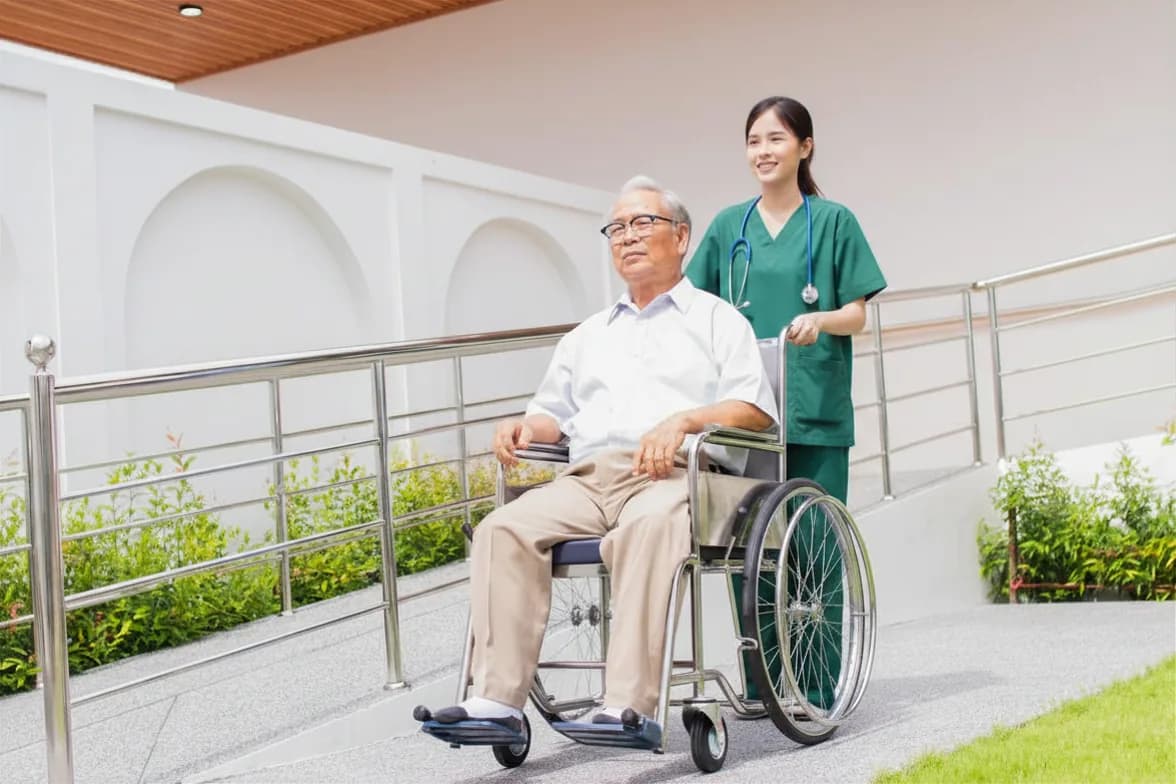
CarePine Home Care provides non-medical personal assistance and companion support, helping individuals maintain independence, dignity, and comfort in their own homes.
What Is Home Care?
Home care provides non-medical personal assistance, companionship, and practical household support so individuals can remain safely and comfortably at home. Services are tailored to routines, preferences, and the level of help each person wants or needs.
Unlike skilled home health, home care does not replace physician-directed clinical treatment. Instead, it supports independence with respectful assistance for bathing, dressing, meals, errands, social connection, and caregiver relief.
CarePine Home Care is built on dignity: we meet people where they are, preserve choice whenever possible, and help families feel confident their loved one is not alone.
Our Home Care Services
From personal care to companionship and homemaking, our trained caregivers focus on consistency, kindness, and clear communication with families.
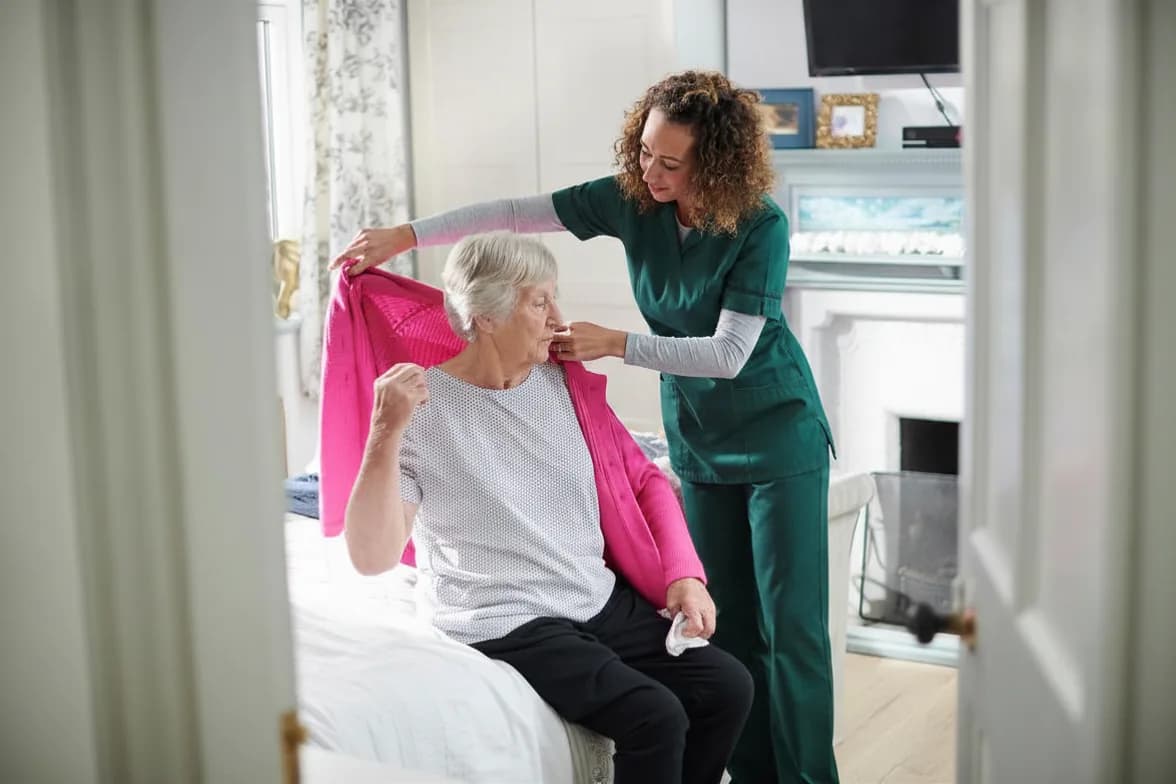
Hands-on assistance with bathing, grooming, dressing, toileting, and mobility prompts helps clients maintain hygiene and comfort with reduced fall risk.
Bathing and showering assistance
Caregivers use safe techniques and adaptive setups to support bathing while protecting privacy and skin integrity.
Learn MoreGrooming and dressing support
Steady assistance with hair care, oral hygiene, shaving, and clothing selection helps clients feel prepared for the day.
Learn MoreToileting and incontinence care
Respectful routines promote comfort, cleanliness, and timely changes to reduce skin irritation and infection risk.
Learn MoreMobility and transfer prompts
Cueing and stand-by assistance support safe movement between bed, chair, and bathroom within the caregiver’s training scope.
Learn MorePersonal care is non-medical and does not include skilled nursing tasks unless provided under a separate licensed program.
Companion caregivers provide supervision, social engagement, and safety checks for clients who benefit from a trusted presence throughout the day.
Supervision and safety monitoring
A consistent presence reduces wandering risk, prevents unsafe appliance use, and supports timely fluid and meal prompts.
Learn MoreAppointment escorts and errands
Escorted outings help clients attend medical visits or errands with less anxiety and improved follow-through on important appointments.
Learn MoreMedication reminders
Caregivers can provide reminders for self-administered medications but do not administer medications unless permitted by policy and training.
Learn MoreCompanion care can be especially helpful for individuals with memory changes who should not be left alone for long periods.
Light housekeeping, laundry, organization, and meal preparation reduce household burdens so clients can conserve energy for what matters most.
Light housekeeping
Tasks such as tidying, dishwashing, and surface cleaning help maintain a sanitary, pleasant environment for daily living.
Learn MoreMeal preparation
Caregivers prepare simple, nutritious meals aligned with dietary preferences and any guidance provided by the client or family.
Learn MoreLaundry and linens
Clean clothing and bedding support comfort, dignity, and infection prevention, especially for clients with limited stamina.
Learn MoreOrganization and clutter reduction
Clear pathways and organized essentials reduce trip hazards and make daily routines easier to navigate independently.
Learn MoreHomemaking tasks are planned around client priorities, allergies, and home safety considerations such as clutter and lighting.
Respite care gives family caregivers planned relief so they can rest, work, or handle personal responsibilities while knowing their loved one is supported.
Scheduled caregiver relief
Planned coverage helps prevent burnout by protecting time for sleep, exercise, and medical appointments for the family caregiver.
Learn MoreContinuity with home routines
Caregivers follow established schedules for meals, hobbies, and bedtime to keep days predictable and reassuring.
Learn MoreFamily communication and updates
Brief end-of-shift notes or check-ins help families stay informed about mood, appetite, and any concerns observed during the visit.
Learn MoreRespite can be scheduled for a few hours, overnight stays, or other arrangements depending on availability and client needs.
Ready to Get Started?
Whether you’re a patient, caregiver, or referring provider—our team is here to answer your questions and coordinate care that fits your needs.
Situations Where Home Care Can Help
Home care is often a strong fit for individuals experiencing:
If needs become medical or require skilled treatment, your physician may recommend home health or other clinical services in addition to home care.
Who Benefits from Home Care?
Home care may be appropriate for people who:
CarePine coordinates closely with families to match caregiver skills, schedules, and preferences whenever possible.
Why Families Choose CarePine Home Care
Respect for independence
We emphasize choice, dignity, and pacing so clients remain active participants in their own routines.
Reliable, vetted caregivers
Families receive consistent coverage with caregivers trained in safe assistance and professional boundaries.
Clear family communication
We prioritize transparency about schedules, changes in condition, and practical suggestions for safer home living.
Flexible support that scales
Hours and services can adjust as needs evolve, from a few visits per week to more intensive support.
A partner in whole-person wellness
Beyond tasks, we watch for nutrition, hydration, mood, and social connection as part of everyday care.
Our Approach to Home Care
Great home care is relationship-based. We build trust through patience, predictable routines, and careful listening to what each client values.
We also partner with families to reduce worry—sharing observations, offering practical tips, and supporting smoother days at home.
The goal is simple: help people feel safe, seen, and supported in the place they love most.
Frequently Asked Questions
No. Home care provides non-medical assistance and companionship. Home health provides skilled clinical services under a physician order. Many families use both when needs overlap.
Policies vary by state and program. In many cases caregivers may remind clients to take self-administered medications but cannot perform skilled medication administration unless specifically authorized.
We consider care needs, personality fit, schedule requirements, and any language or cultural preferences families share during intake.
We provide supervision-focused plans and caregiver training aligned with dementia safety strategies, while families maintain medical decision-making with the physician.
Yes. Families can typically adjust hours or pause services with notice according to the service agreement and local regulations.
Talk with CarePine About Home Care
If you want compassionate, non-medical support at home, our team can help you explore options and next steps.