
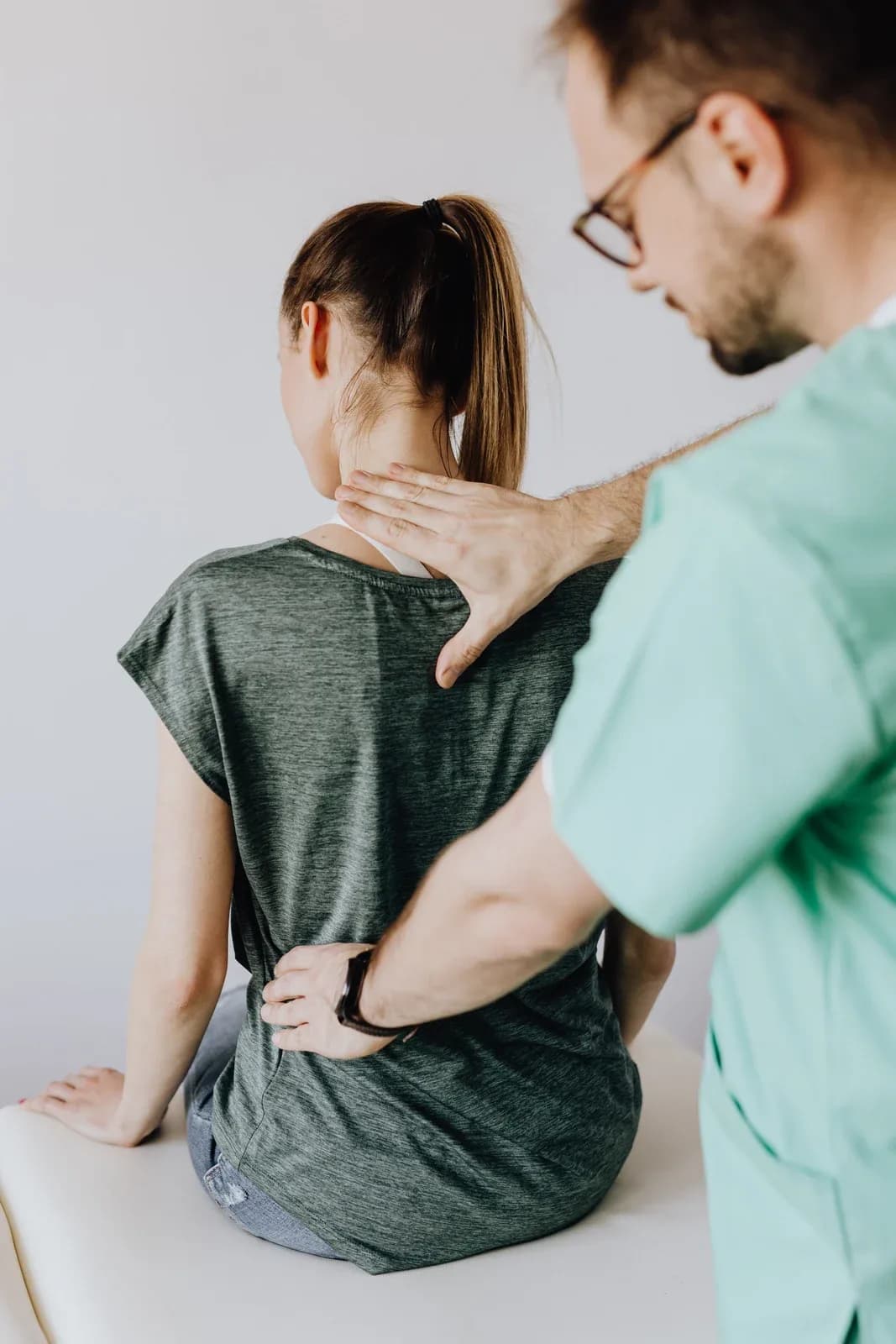
Therapy Services
Rehabilitation and Recovery at Home
CarePine Therapy Services deliver physical, occupational, and speech therapy in the comfort of home — helping patients regain function, strength, and independence after illness, injury, or surgery.
What Are Home-Based Therapy Services?
Home-based therapy services bring licensed physical, occupational, and speech-language therapists directly to the patient's home. These services focus on restoring function, improving safety, and building the skills needed to live as independently as possible after illness, injury, surgery, or a change in condition.
Unlike outpatient clinic visits, home therapy allows clinicians to assess and train patients within the actual environment where they live — addressing real obstacles like narrow hallways, bathroom layouts, and kitchen accessibility.
At CarePine, we believe recovery happens best where life happens — at home, with therapists who understand your goals and your surroundings.
Our Therapy Services
Each therapy discipline targets specific functional goals and works collaboratively with the care team to support the best outcomes.
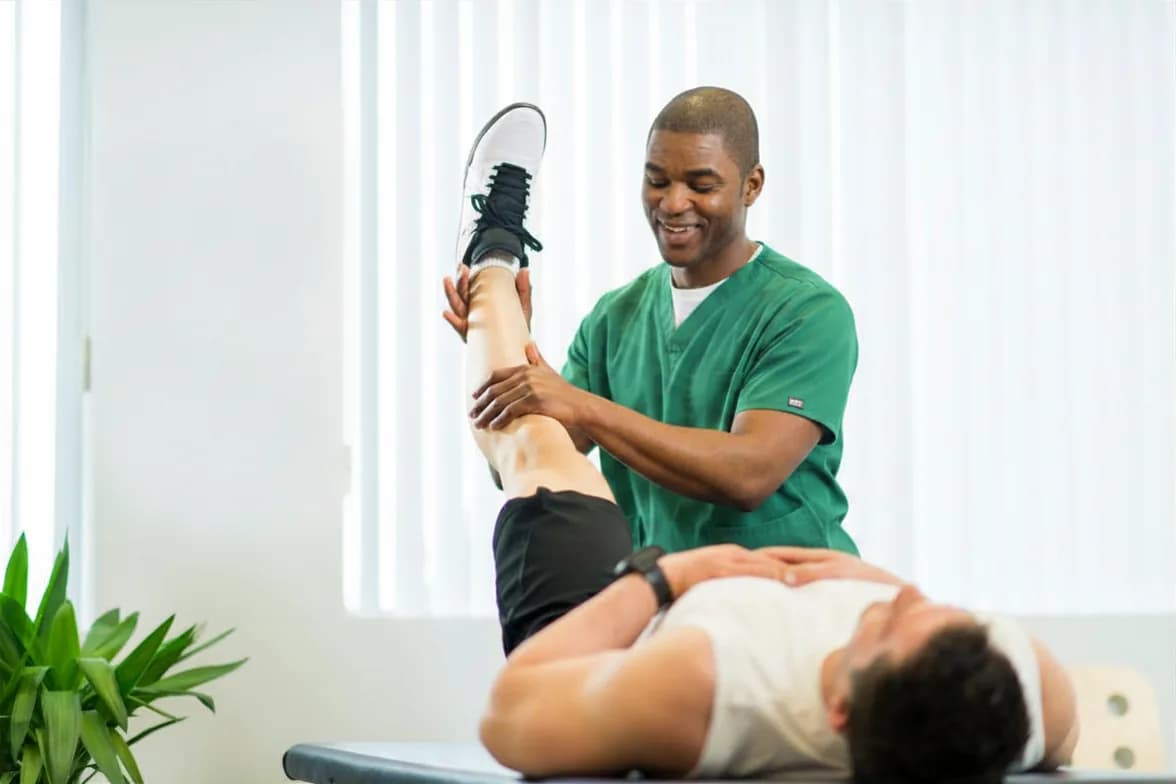
Licensed physical therapists help patients restore mobility, strength, balance, and endurance through individualized exercise programs and functional training in the home.
Gait and mobility training
Therapists assess walking patterns and train patients to move safely with or without assistive devices, reducing fall risk during daily activities.
Learn MoreStrength and conditioning
Progressive resistance exercises target muscle groups weakened by illness, surgery, or inactivity to rebuild functional capacity.
Learn MoreBalance and fall prevention
Targeted exercises and environmental strategies address balance deficits and reduce the likelihood of falls at home.
Learn MorePain management techniques
Therapists use manual techniques, therapeutic exercise, and positioning strategies to help manage pain without over-reliance on medication.
Learn MorePost-surgical rehabilitation
Structured recovery programs following joint replacement, cardiac surgery, or other procedures help patients regain function on a safe timeline.
Learn MorePhysical therapy frequency and duration are based on the physician order and the patient's response to treatment.
Occupational therapists help patients relearn or adapt daily living skills — from dressing and bathing to cooking and managing household tasks — within the home environment.
Daily living skills retraining
Therapists work with patients to rebuild routines for self-care tasks such as dressing, bathing, grooming, and meal preparation.
Learn MoreAdaptive equipment training
Assessment and training for tools like grab bars, reachers, and modified utensils help patients perform tasks safely and independently.
Learn MoreHome safety evaluation
Therapists evaluate the home environment and recommend modifications to reduce hazards and support independence in daily routines.
Learn MoreCognitive compensation strategies
For patients with memory or processing changes, OTs teach compensatory techniques using calendars, checklists, and environmental cues.
Learn MoreEnergy conservation techniques
Work simplification and pacing strategies help patients manage fatigue from chronic illness while maintaining meaningful activity participation.
Learn MoreOT interventions are customized to the patient's home layout, personal goals, and the activities that matter most to them.
Speech-language pathologists address communication, swallowing, cognitive-linguistic, and voice disorders to help patients participate safely and meaningfully in daily life.
Swallowing assessment and therapy
Clinicians evaluate swallowing function and implement exercises and diet modifications to reduce aspiration risk during meals.
Learn MoreSpeech and articulation therapy
Targeted exercises help patients regain clarity of speech following stroke, neurological conditions, or surgical procedures.
Learn MoreLanguage rehabilitation
Therapists help patients recover receptive and expressive language skills through structured activities tailored to their communication needs.
Learn MoreCognitive-linguistic training
Memory exercises, problem-solving tasks, and attention drills support patients recovering from stroke, brain injury, or progressive neurological conditions.
Learn MoreVoice therapy
Specialized techniques address voice quality, volume, and endurance for patients with vocal cord dysfunction or post-surgical voice changes.
Learn MoreSpeech therapy services are ordered when communication or swallowing deficits affect safety, nutrition, or quality of life.
Ready to Get Started?
Whether you’re a patient, caregiver, or referring provider—our team is here to answer your questions and coordinate care that fits your needs.
Conditions Commonly Treated with Home Therapy
Therapy services at home are often appropriate for individuals with:
Your physician determines whether home-based therapy is appropriate based on medical necessity, homebound status, and rehabilitation potential.
Who Benefits from Home Therapy?
Home-based therapy may be right for patients who:
CarePine therapists coordinate closely with physicians and nursing staff to ensure therapy goals align with the overall plan of care.
Why Families Choose CarePine Therapy Services
Real-world rehabilitation
Training in the patient's own home means skills transfer directly to the environment where they will be used every day.
Coordinated multidisciplinary care
PT, OT, and speech therapists collaborate with nursing and the physician to address the whole patient — not just one symptom.
Patient-centered goal setting
Therapy plans are built around what matters to the patient, whether that is walking to the mailbox or returning to cooking dinner.
Licensed, experienced therapists
Our therapists hold current state licenses and bring specialized experience in home-based rehabilitation across diagnoses.
Progress you can see
Regular reassessment and clear communication with families ensure everyone understands how recovery is progressing.
Our Approach to Home-Based Therapy
We start with a thorough evaluation of the patient's functional abilities, home environment, and personal goals. From there, we create a therapy plan that is specific, measurable, and meaningful.
Every visit builds on the last — with home exercise programs, caregiver training, and environmental recommendations that extend the benefit of therapy between sessions.
Our therapists do not just treat conditions — they help people get back to the life they want to live.
Frequently Asked Questions
Yes. Home-based therapy requires a physician order that establishes medical necessity and outlines therapy goals. Your CarePine team can help coordinate with your doctor.
Duration varies by diagnosis and recovery progress. Most patients receive therapy for several weeks, with visit frequency decreasing as functional goals are met.
Yes. Many patients benefit from concurrent PT, OT, and speech therapy when multiple functional areas need attention. Each discipline evaluates and treats independently.
Most Medicare, Medicaid, and private insurance plans cover medically necessary home-based therapy. Coverage details and authorization requirements vary by plan.
The therapist will perform a comprehensive evaluation, discuss your goals, assess your home environment, and begin developing a personalized treatment plan.
Start Your Recovery Journey at Home
If you or a loved one could benefit from skilled therapy at home, our team can help you understand your options and connect with the right therapist.