
Pediatric Services
Specialized Care for Children at Home
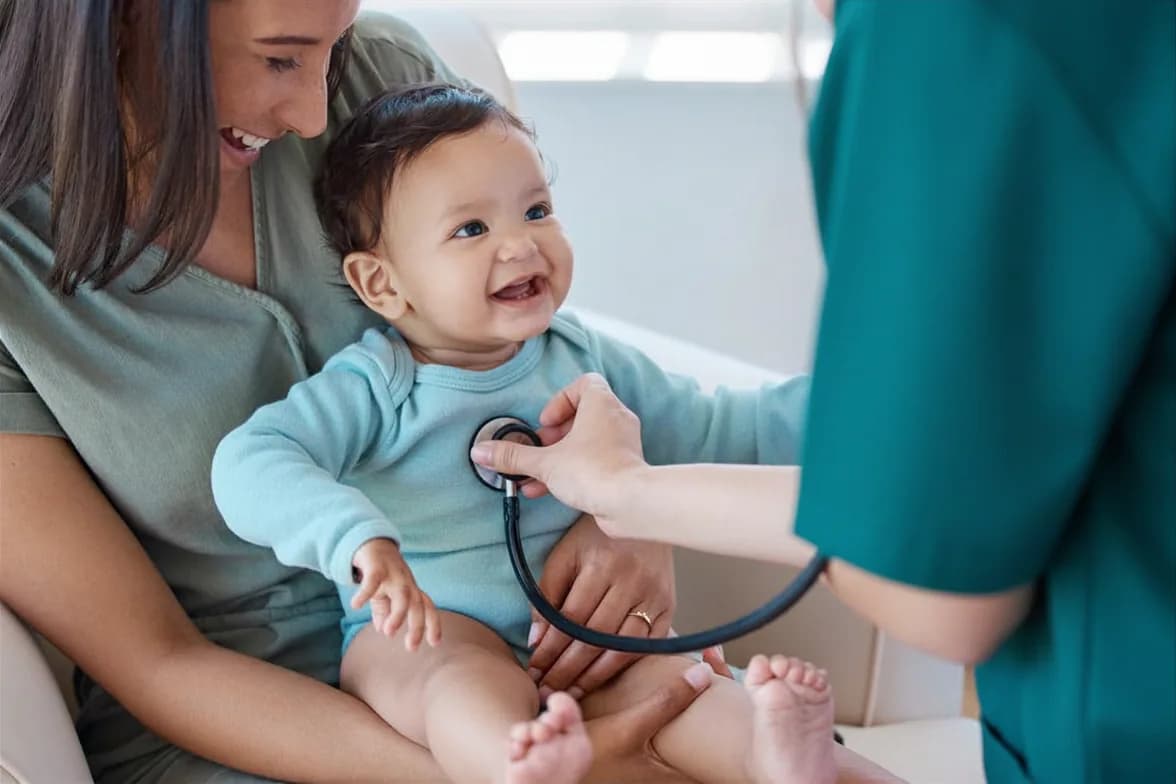
CarePine Pediatric Services provides skilled nursing, therapy, and specialized clinical support for children with complex medical, developmental, or rehabilitative needs in the comfort and safety of home.
Pediatric Care at Home
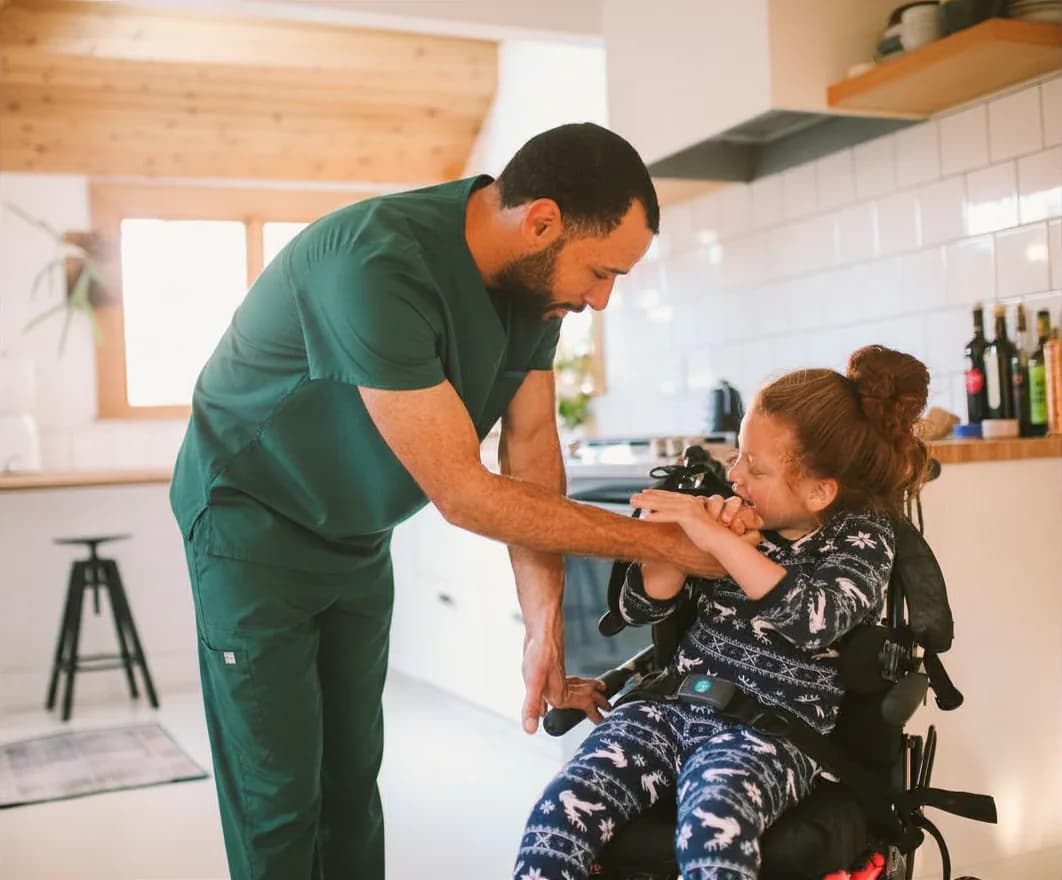
Pediatric home services bring skilled nursing and therapy to children who need clinical support while growing, healing, or managing chronic conditions. Care is family-centered and coordinated with pediatric specialists and schools when applicable.
Home-based pediatric care can reduce exposure to facility-based infections for medically fragile children and help families maintain routines that support development.
CarePine partners with parents and guardians to keep children as safe, comfortable, and engaged as possible—right where they live and learn.
Our Pediatric Services
Services are individualized to the child’s diagnosis, developmental stage, equipment needs, and family training goals.
Pediatric nurses provide assessments, treatments, and teaching aligned with physician orders for children with technology dependence or complex medical needs.
Seizure recognition and rescue planning
Families learn observation techniques, timing of events, and when to administer rescue medications only as ordered by the physician.
Learn MoreRespiratory support monitoring
Nursing care may include tracheostomy care, suctioning, oxygen monitoring, and ventilator checks per protocol and training level.
Learn MoreEnteral access care
Site care, feeding delivery, and tolerance monitoring help maintain nutrition while reducing complications such as dislodgement or infection.
Learn MoreMedication administration and teaching
Weight-based dosing safety, side effect monitoring, and storage practices are reinforced with caregivers at every visit.
Learn MoreDevelopmentally supportive care
Approaches consider sensory needs, comfort positioning, and age-appropriate communication to reduce fear during procedures.
Learn MorePediatric skilled care requires appropriate competencies, caregiver training, and emergency planning tailored to the child’s age and condition.
School nursing support helps children with medical complexity participate in education safely with a nurse present for ordered treatments and emergency readiness.
Individualized health planning
Plans align with school routines, emergency medications, and the child’s specific triggers and warning signs.
Learn MoreDiabetes support during the school day
Nurses support glucose checks, carbohydrate counting support, and hypoglycemia response per the diabetes medical management plan.
Learn MoreAirway and secretion management
For eligible students, nursing includes suctioning and airway checks aligned with the child’s individualized health care plan.
Learn MoreSeizure action support at school
Nurses document events, protect airway and injury risk when appropriate, and follow the physician’s emergency medication orders.
Learn MoreTube feeding support
Feeding schedules, pump checks, and hygiene steps are managed so the child can attend class with fewer disruptions.
Learn MoreMobility and positioning assistance
Support includes safe transfers, wheelchair checks, and collaboration with therapy goals during the school day.
Learn MoreEmergency preparedness drills
Nurses help schools rehearse clear roles, communication trees, and equipment readiness for urgent events.
Learn MoreFamily and teacher communication
End-of-day summaries help families and educators stay aligned on symptoms, medications, and needed adjustments.
Learn MoreSchool nursing services depend on district agreements, physician orders, and state regulations governing nursing in educational settings.
Pediatric physical therapists help children improve strength, balance, coordination, and gross motor skills through play-based, family-friendly interventions.
Gait training and orthotic integration
Therapists practice safe walking patterns and brace or orthotic use so children can move with greater confidence.
Learn MoreStrength and endurance play
Age-appropriate activities build stamina for recess, stairs, and longer community outings.
Learn MoreBalance and coordination challenges
Obstacle courses and games improve reaction time, single-leg control, and safe falling strategies when appropriate.
Learn MoreEquipment and home program training
Families learn how to practice prescribed exercises and use walkers or standers safely between visits.
Learn MoreTherapy goals integrate school, home, and community participation whenever possible.
Pediatric occupational therapy supports fine motor skills, sensory processing, self-care independence, and school readiness through structured play and routines.
Fine motor skill development
Activities strengthen grasp, handwriting readiness, and tool use for school and daily tasks.
Learn MoreSensory strategies
Therapists introduce graded sensory experiences and coping tools that reduce meltdowns and improve focus.
Learn MoreSelf-care independence
Dressing, feeding, and hygiene skills are broken into achievable steps with adaptive tools when needed.
Learn MoreSchool readiness supports
Tasks like scissor skills, backpack organization, and attention routines help children transition into learning environments.
Learn MoreOccupational therapists collaborate with families and teachers to generalize skills across home and classroom settings.
Pediatric speech-language pathologists address articulation, language development, social communication, and feeding or swallowing concerns with child-friendly methods.
Articulation and speech clarity
Play-based drills help children produce sounds more accurately so peers and adults can understand them.
Learn MoreReceptive and expressive language
Therapists build vocabulary, sentence length, and comprehension through books, games, and everyday routines.
Learn MoreFeeding and swallowing support
When ordered, therapy may include oral motor exercises and mealtime strategies aligned with safety precautions.
Learn MoreSwallowing therapy requires physician involvement and careful monitoring for aspiration risk.
Structured family training helps caregivers confidently manage equipment, medications, emergency steps, and daily care routines between clinician visits.
Medical equipment training
Hands-on practice with pumps, monitors, and airway supplies reduces errors and increases readiness for common troubleshooting.
Learn MoreEmergency action steps
Families rehearse when to call 911, how to provide rescue support per order, and how to communicate clearly with dispatch.
Learn MoreCaregiver wellbeing and pacing
Coaching includes sleep strategies, respite planning, and realistic task sharing among family members.
Learn MoreCare coordination tips
We help families prepare questions for specialists, organize visit summaries, and track symptoms consistently.
Learn MoreTraining is tailored to caregiver literacy, language needs, and the child’s specific devices and warning signs.
Ready to Get Started?
Whether you’re a patient, caregiver, or referring provider—our team is here to answer your questions and coordinate care that fits your needs.
Pediatric Conditions and Needs We Commonly Support
Services may be appropriate for children with needs such as:
Pediatric services require physician orders and may involve payer authorization, school agreements, and home safety assessments.
Who Benefits from Pediatric Home Services?
Pediatric home services may help when:
CarePine emphasizes family partnership, clear teaching, and respectful communication with children at developmentally appropriate levels.
Why Families Choose CarePine Pediatrics
Child-centered care
We meet children on their level with patience, play, and routines that reduce fear during clinical tasks.
Skilled pediatric competencies
Our clinicians train for the unique physiology, dosing considerations, and safety issues present in pediatric care.
Family as part of the team
Parents and guardians are not visitors to the plan—they are essential partners in daily care decisions and practice.
Coordination across settings
We communicate with specialists, primary care, and schools when authorized to keep goals consistent.
Home-based convenience
Home visits can reduce transportation burdens and help siblings maintain more normal routines.
Focus on function and participation
Whether the goal is walking, talking, eating, or attending school, we connect therapy to real life milestones.
Our Approach to Pediatric Services
Pediatric care is never one-size. We integrate medical safety with developmental encouragement so children can grow while staying as stable as possible.
We also recognize caregiver load—so training is practical, repeatable, and designed to build confidence, not overwhelm.
When families feel equipped and children feel supported, home becomes the best place to heal and thrive.
Frequently Asked Questions
Yes. Skilled pediatric nursing and therapy services are ordered by a physician and delivered according to an individualized plan of care.
One-to-one school nursing may be available when contracts, orders, and regulations align. Availability varies by location and program.
We discuss household flow, supervision, and infection prevention so siblings can be part of family life without compromising medical safety.
We use gradual introduction, predictable routines, and caregiver presence to build trust over repeated visits.
Coverage depends on medical necessity, diagnosis, and payer rules. Families should verify benefits and authorization requirements with their plan.
Timing depends on order receipt, staffing match, equipment readiness, and training needs. We work to start as safely and promptly as possible.
Learn More About CarePine Pediatric Services
If your child may benefit from skilled nursing or therapy at home, we can help you understand options and how to discuss them with your pediatrician.