
Respiratory support monitoring
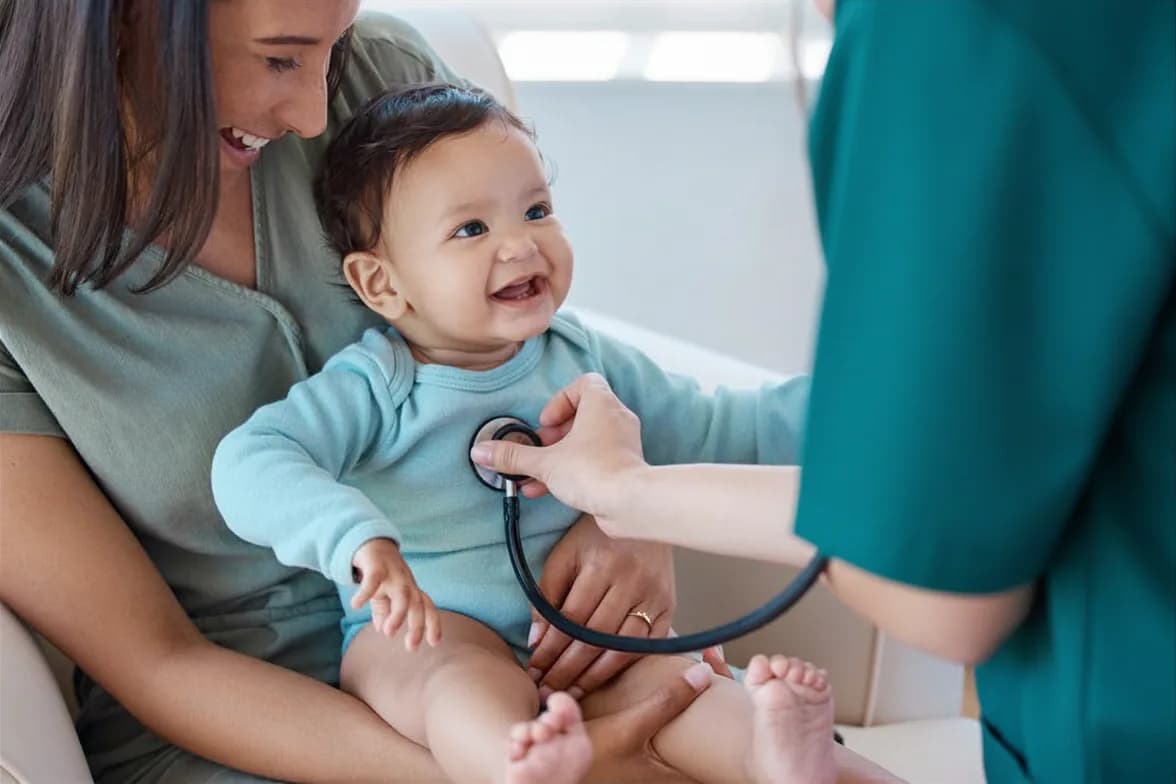
Understanding Respiratory support monitoring
Respiratory care for children encompasses a range of clinical services including tracheostomy management, ventilator support, oxygen therapy, and airway suctioning. Children with chronic respiratory conditions or technology dependence require skilled nursing oversight to ensure equipment functions properly, airways remain clear, and respiratory status is continuously assessed. Pediatric respiratory care demands specialized training because children's airways are smaller and more susceptible to obstruction, and their clinical status can change rapidly.
Skilled nurses provide hands-on respiratory assessments, monitor oxygen saturation levels, manage ventilator settings as prescribed, and perform tracheostomy care including site cleaning, tie changes, and emergency tube replacements. Equally important is the education nurses provide to families, empowering parents to manage routine respiratory care between nursing visits and respond confidently to respiratory emergencies.
What Pediatric Respiratory Nursing Involves
Your child's nurse assesses breath sounds, respiratory rate, oxygen saturation, and work of breathing at each visit. For children with tracheostomies, the nurse performs site care, monitors for signs of infection or granulation tissue, and ensures emergency supplies — including a spare tracheostomy tube one size smaller — are always at bedside. Ventilator-dependent children receive circuit checks, alarm verification, and documentation of settings and tolerance.
Keeping Your Child Safe at Home
Keep suction equipment charged and within reach at all times. Maintain a clean environment by reducing dust, pet dander, and tobacco smoke exposure. Learn to recognize early signs of respiratory distress in your child — increased work of breathing, nasal flaring, retractions, or changes in secretion color. Ensure backup power sources are available for ventilators and oxygen concentrators, and register with your utility company as a life-support household.
When to Contact Your Care Team
Contact your care team for increased secretions, changes in secretion color or consistency, a persistent cough, low-grade fever, or if your child requires suctioning significantly more often than usual. Report ventilator alarm patterns that recur or oxygen saturation readings that remain below the target range set by your physician. Call 911 if your child has severe difficulty breathing, if the tracheostomy tube becomes dislodged and cannot be replaced, if your child turns blue or gray, or if breathing stops.
This educational resource is provided by CarePine Home Health for informational purposes. Always follow the individualized care plan developed by your healthcare team. If you have questions or concerns about your condition, contact your care team or call CarePine at 888.507.2997.
Medical Disclaimer: This information is intended for educational purposes only and does not replace professional medical advice. Always consult your physician or home health care team for personalized medical guidance.