
Diabetes stability support
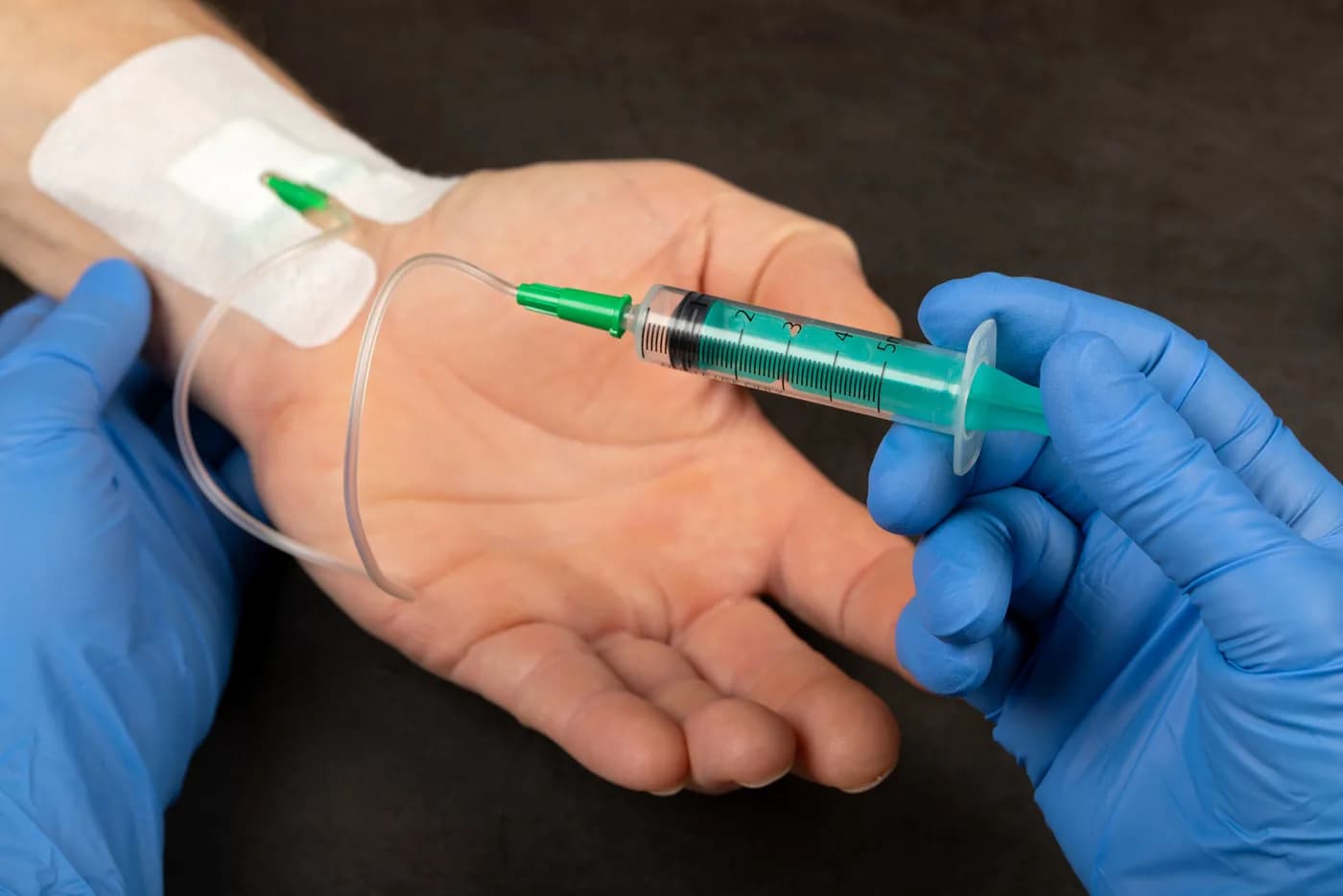
Understanding Diabetes stability support
Comprehensive diabetes management at home involves far more than blood sugar monitoring — it encompasses medication management, nutritional guidance, foot and skin care, activity planning, and coordination with a multidisciplinary care team. Whether managing Type 1 or Type 2 diabetes, patients benefit from regular skilled nursing visits that reinforce self-management skills, identify emerging complications, and adjust the care plan as the disease evolves.
Uncontrolled diabetes increases the risk of serious complications including neuropathy, retinopathy, kidney disease, cardiovascular events, and slow-healing wounds. Skilled nurses help patients establish routines that keep blood sugar levels within their target range, teach insulin administration and glucose monitoring techniques, and connect patients with resources such as diabetes educators and nutritionists when additional support is needed.
What to Expect from Home Diabetes Management
Your nurse will review your blood sugar logs, assess your medication regimen, and evaluate your technique for glucose monitoring and insulin injection if applicable. Foot inspections are performed at each visit because diabetes-related nerve damage can mask injuries that lead to serious infections. Your nurse will also coordinate with your endocrinologist or primary care provider to ensure your hemoglobin A1C targets and medication plan are up to date.
Building a Daily Management Routine
Check your blood sugar at the times recommended by your care team and record the results along with what you ate and your activity level. Follow your meal plan, focusing on consistent carbohydrate intake and whole foods. Inspect your feet daily for cuts, blisters, redness, or swelling, and wear well-fitting shoes. Stay active within your physician's guidelines, as regular movement improves insulin sensitivity. Store insulin and supplies properly and never use expired medications.
When to Contact Your Care Team
Contact your nurse or physician if your blood sugar is consistently above or below your target range, if you notice a wound on your foot that is not healing, or if you experience recurring episodes of hypoglycemia. Report blurry vision, frequent urination, unusual thirst, or numbness and tingling in your hands or feet. If you experience severe hypoglycemia with confusion, seizures, or loss of consciousness, or if your blood sugar is extremely elevated and you develop nausea, vomiting, fruity-smelling breath, or difficulty staying awake, call 911 immediately.
This educational resource is provided by CarePine Home Health for informational purposes. Always follow the individualized care plan developed by your healthcare team. If you have questions or concerns about your condition, contact your care team or call CarePine at 888.507.2997.
Medical Disclaimer: This information is intended for educational purposes only and does not replace professional medical advice. Always consult your physician or home health care team for personalized medical guidance.