
Infusion reaction monitoring
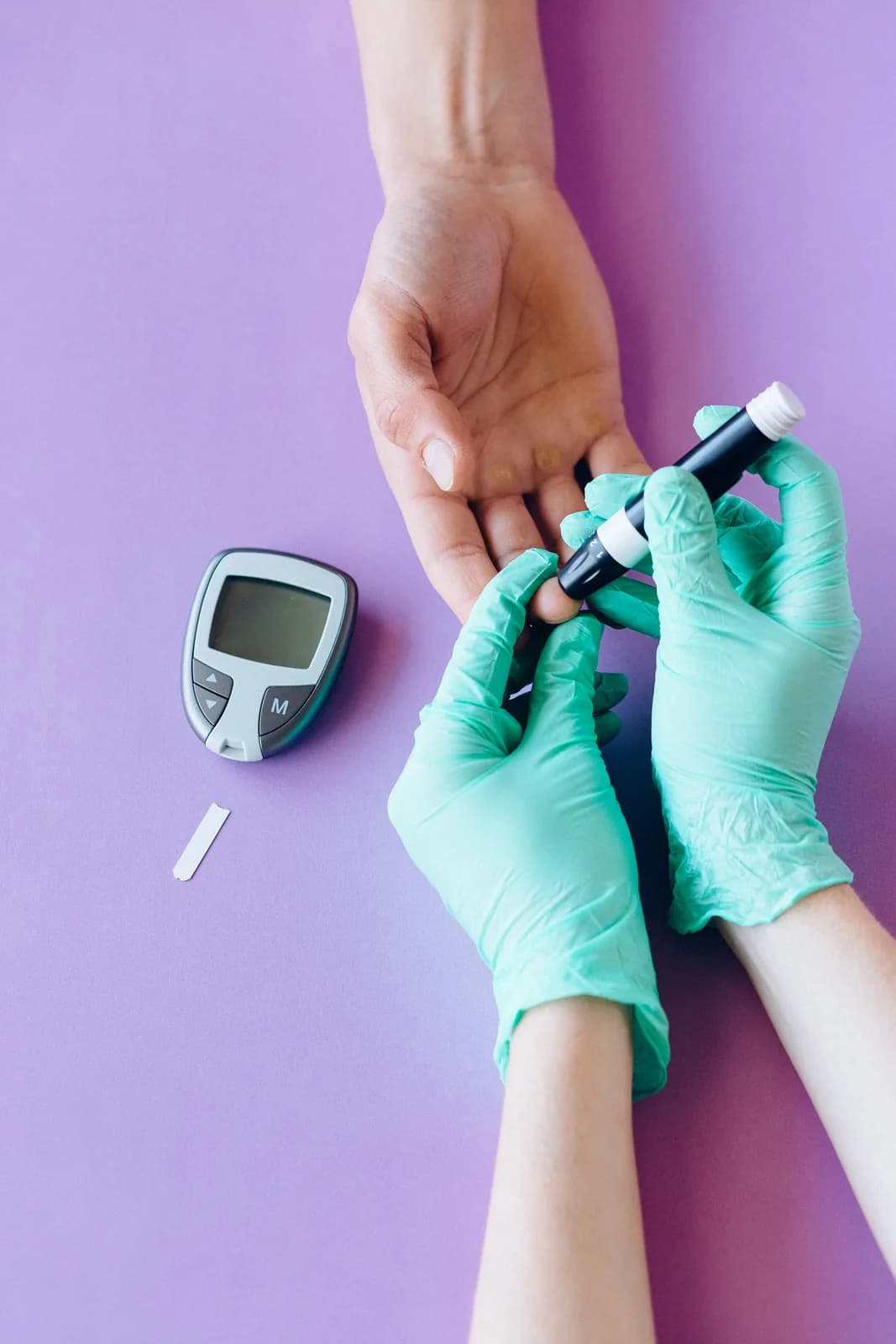
Understanding Infusion reaction monitoring
Infusion reactions can occur with many types of IV medications, including antibiotics, biologics, chemotherapy, and blood products. Reactions range from mild — such as localized itching or flushing — to severe anaphylaxis that requires emergency intervention. Understanding the spectrum of possible reactions empowers patients and caregivers to respond quickly and appropriately, which is particularly important when infusions are administered in the home setting where immediate hospital resources are not available.
Skilled infusion nurses are trained to recognize early signs of a reaction and to intervene according to established protocols. Before each infusion, the nurse verifies the medication, reviews the patient's allergy history, checks vital signs, and ensures emergency supplies are accessible. During the infusion, the nurse monitors the patient at prescribed intervals and adjusts the infusion rate as needed based on the patient's tolerance.
What to Expect During Your Infusion
Your nurse will take baseline vital signs before starting the infusion and continue to monitor you at regular intervals. The infusion rate will be started slowly and increased gradually if tolerated. You will be asked to report any unusual sensations immediately, including itching, tingling, warmth, nausea, or chest tightness. Your nurse will keep emergency medications accessible at all times during the infusion.
Types of Infusion Reactions
Mild reactions may include flushing, a slight rash, or mild nausea and can often be managed by slowing the infusion rate. Moderate reactions involve hives, chills, or a drop in blood pressure and typically require pausing the infusion and administering pre-medications. Severe reactions — anaphylaxis — can cause throat swelling, difficulty breathing, a rapid drop in blood pressure, and loss of consciousness. Knowing the difference helps you communicate effectively with your nurse.
When to Contact Your Care Team
Tell your nurse immediately if you feel anything unusual during or after an infusion — even mild symptoms are worth reporting. If a reaction occurs after the nurse has left, contact your care team right away for symptoms like a new rash, itching, swelling, or mild nausea. If you experience throat tightness, difficulty breathing, severe swelling of the face or tongue, rapid heartbeat, dizziness, or feel like you might faint, call 911 immediately. Do not wait to see if symptoms improve on their own.
This educational resource is provided by CarePine Home Health for informational purposes. Always follow the individualized care plan developed by your healthcare team. If you have questions or concerns about your condition, contact your care team or call CarePine at 888.507.2997.
Medical Disclaimer: This information is intended for educational purposes only and does not replace professional medical advice. Always consult your physician or home health care team for personalized medical guidance.