
Line maintenance and dressing changes
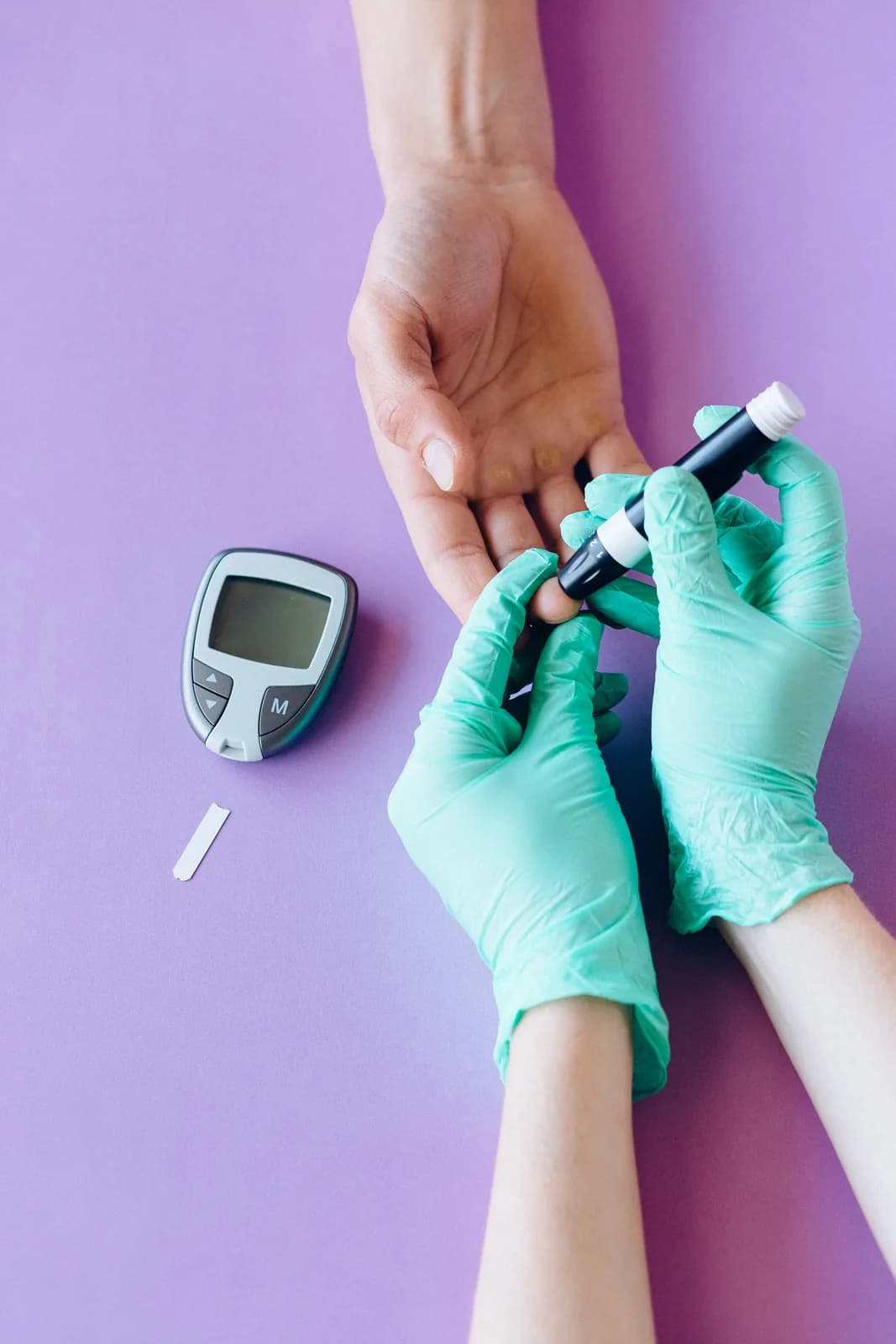
Understanding Line maintenance and dressing changes
Intravenous (IV) line maintenance is essential for patients receiving infusion therapy at home. Central venous access devices — including peripherally inserted central catheters (PICCs), ports, and tunneled catheters — require meticulous care to prevent bloodstream infections, maintain catheter patency, and extend the usable life of the device. A consistent maintenance routine reduces the risk of complications and supports uninterrupted delivery of prescribed therapies.
Skilled nurses perform line maintenance on a schedule determined by the type of catheter and the facility's evidence-based protocols. This includes flushing with saline and heparin as ordered, inspecting the insertion site, changing dressings, and evaluating the catheter for proper function. Patients and caregivers are taught to recognize early signs of complications so that problems can be addressed before they become serious.
What to Expect During Line Care Visits
Your infusion nurse will clean the catheter site using an antiseptic solution, apply a new transparent or gauze dressing, and flush the line to ensure it is patent. The insertion site is inspected for redness, swelling, tenderness, or drainage. Cap changes and tubing replacements are performed on a set schedule. You and your caregiver will receive education on how to keep the site dry, secure the line to prevent accidental dislodgement, and perform emergency clamping if the line is damaged.
Keeping Your Line Safe Between Visits
Avoid submerging the catheter site in water — use a waterproof cover during bathing. Secure tubing to prevent pulling or snagging. Do not allow anyone to draw blood from or inject into the line unless authorized by your care team. Keep the area around the dressing clean and watch for any loosening of the dressing edges. If you have been taught to flush the line, always use the push-pause technique and never force a flush if you feel resistance.
When to Contact Your Care Team
Contact your nurse if you notice redness, swelling, or tenderness at the insertion site, if the dressing becomes wet or loose, or if you have difficulty flushing the line. Report any leaking from the catheter or hub connections. If you develop a fever or chills shortly after a flush or infusion, experience sudden shortness of breath, or notice the catheter has migrated or become dislodged, call 911 immediately as these may indicate a bloodstream infection or air embolism.
This educational resource is provided by CarePine Home Health for informational purposes. Always follow the individualized care plan developed by your healthcare team. If you have questions or concerns about your condition, contact your care team or call CarePine at 888.507.2997.
Medical Disclaimer: This information is intended for educational purposes only and does not replace professional medical advice. Always consult your physician or home health care team for personalized medical guidance.