
Support group referrals
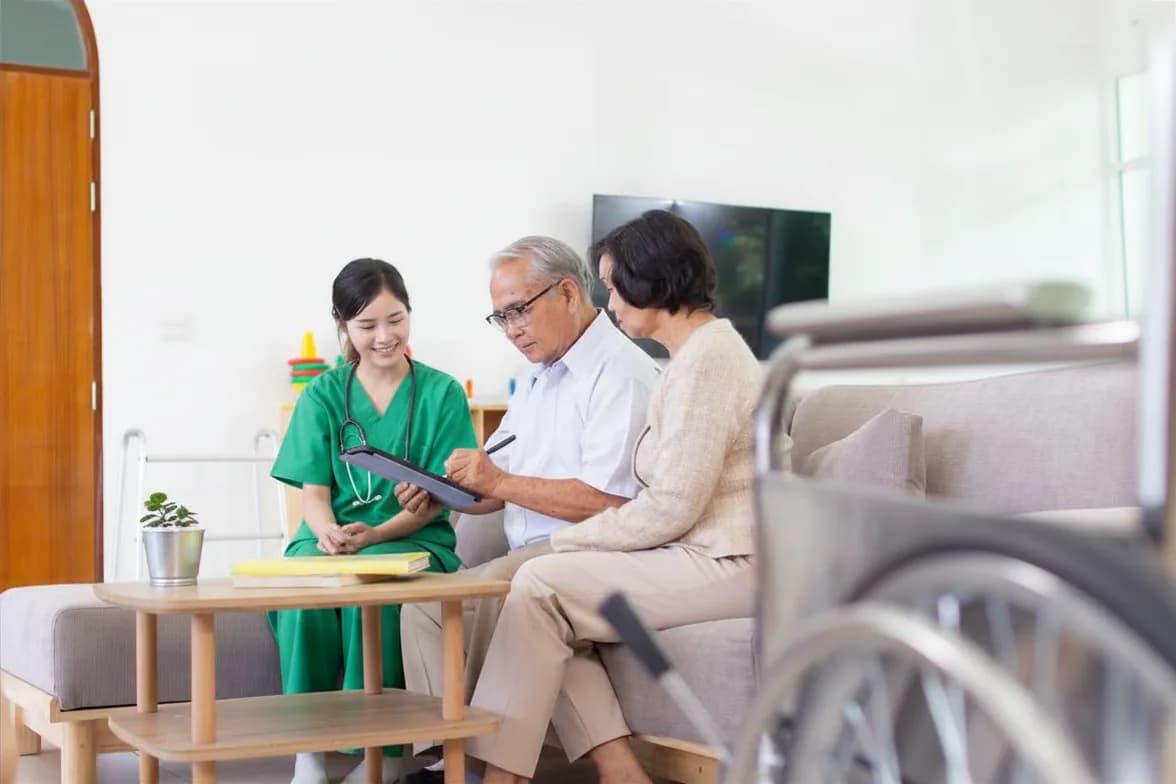
Understanding Support group referrals
Support group referrals connect patients and caregivers with peers who share similar health experiences, creating opportunities for mutual understanding, emotional validation, and practical advice. Medical social workers maintain knowledge of local and virtual support groups across a wide range of conditions — from stroke and heart failure to chronic pain, cancer, and caregiver support — and match patients with groups that fit their needs, preferences, and comfort level.
Isolation is a common challenge for home health patients, especially those whose conditions limit mobility or social participation. Peer support provides something that professional care alone cannot — the lived experience of someone who truly understands what you are going through. Research consistently shows that peer support improves coping, treatment adherence, and overall well-being.
Finding the Right Support Group
Your social worker will discuss your interests and concerns to identify appropriate groups. Options include condition-specific groups, general chronic illness support, caregiver support groups, and grief support circles. Groups may meet in person, by phone, or through video platforms. Your social worker will explain what to expect and can facilitate your first connection with the group.
Benefits of Peer Connection
Participants in support groups often report feeling less alone, gaining practical tips for managing daily challenges, and experiencing improved mood and motivation. Groups provide a structured space to share frustrations, celebrate progress, and learn from others at different stages of their health journey. Participation is voluntary and can be adjusted as your needs change.
When to Contact Your Care Team
Contact your social worker if you want help finding a group, if a group you are attending is no longer meeting your needs, or if discussions in a group trigger emotional distress you are struggling to manage. If you experience a mental health crisis, feelings of hopelessness, or thoughts of self-harm after a group session or at any time, call the 988 Suicide & Crisis Lifeline (call or text 988) or call 911.
This educational resource is provided by CarePine Home Health for informational purposes. Always follow the individualized care plan developed by your healthcare team. If you have questions or concerns about your condition, contact your care team or call CarePine at 888.507.2997.
Medical Disclaimer: This information is intended for educational purposes only and does not replace professional medical advice. Always consult your physician or home health care team for personalized medical guidance.