
Caregiver education and training
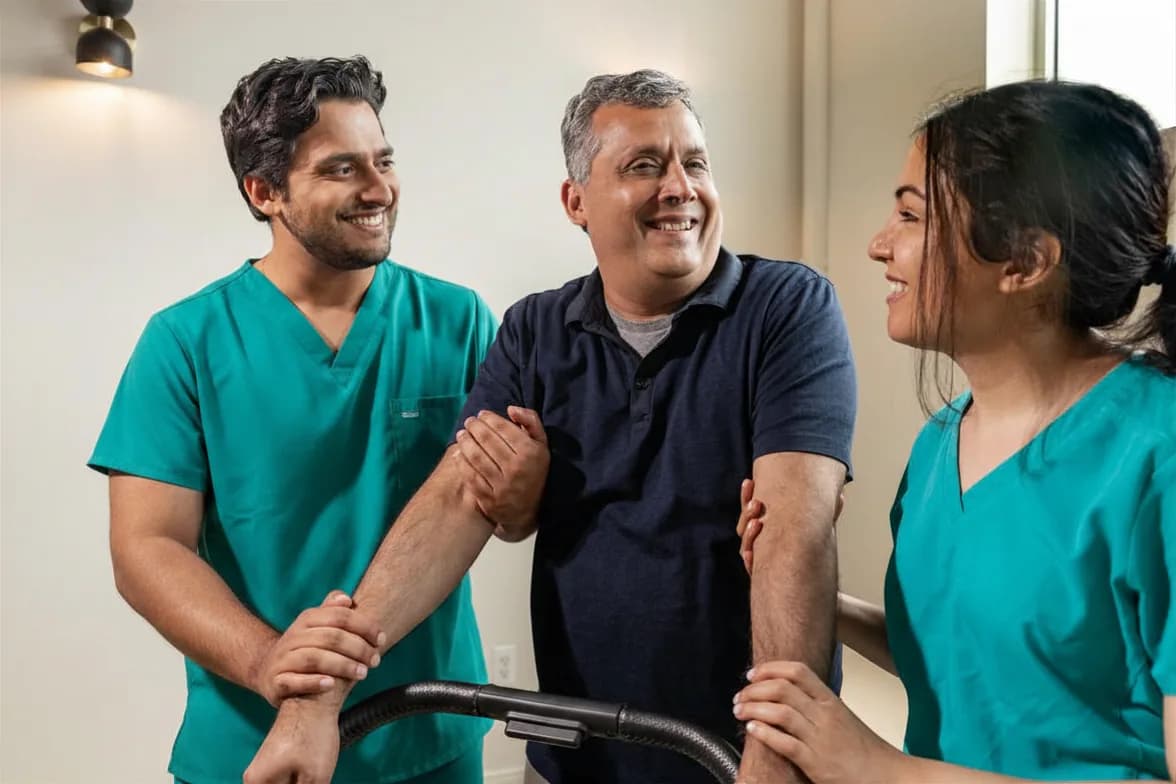
Understanding Caregiver education and training
Caregiver education and training equips family members and informal caregivers with the knowledge and skills needed to provide safe, effective care at home. Medical social workers coordinate education across the care team — ensuring caregivers understand the patient's conditions, medications, warning signs, and when to seek help — while also addressing the emotional and practical realities of the caregiving role itself.
Most family caregivers have no formal healthcare training, yet they are asked to manage complex medication regimens, monitor symptoms, assist with mobility, provide wound care, and make real-time decisions about the patient's wellbeing. Without adequate preparation, caregivers are at higher risk for errors, burnout, and health problems of their own. Structured education builds confidence, competence, and the ability to recognize when professional intervention is needed.
What Caregiver Education Covers
Training is tailored to your specific caregiving responsibilities and may include medication administration and management, safe transfer and mobility techniques, recognizing signs of decline or emergency, basic wound care, nutrition and hydration monitoring, and communication with the healthcare team. Education is delivered in your home using the actual equipment and environment where care takes place.
Supporting the Caregiver as a Person
Your social worker recognizes that caregivers have their own needs. Education includes setting realistic expectations, establishing boundaries, asking for help, and maintaining your own health appointments and social connections. Understanding the emotional dimensions of caregiving — including guilt, resentment, and grief — is addressed openly so that caregivers feel supported rather than judged.
When to Contact Your Care Team
Contact your social worker if you feel unprepared for a new caregiving responsibility, if the patient's needs have changed beyond your training, or if you are experiencing physical or emotional strain. Reach out before reaching a breaking point. If the patient experiences a medical emergency that exceeds your training, call 911 immediately and describe the situation to the dispatcher.
This educational resource is provided by CarePine Home Health for informational purposes. Always follow the individualized care plan developed by your healthcare team. If you have questions or concerns about your condition, contact your care team or call CarePine at 888.507.2997.
Medical Disclaimer: This information is intended for educational purposes only and does not replace professional medical advice. Always consult your physician or home health care team for personalized medical guidance.